

UHS is committed to providing affirming care for all of our student communities and our services and resources are open to all students. We encourage you to explore our resources for your holistic wellness and care. This webpage provides important information and topics around the Asian American & Pacific Islander communities on campus.
Individual and Couples Counseling
Individual counseling appointments are scheduled on the same day and first-come-first-served basis. Appointments are released for scheduling each day and up to 16 hours ahead. To make appointments with the counselors, please call (510) 642-9494. Visit the Individual and Couples Counseling webpage >
Let's Talk Drop-In Consultations
Let's Talk Drop-In Consultations are informal, brief, free consultations with UHS mental health counselors. They do not require any insurance or paperwork. UHS counselors have expertise and competency in working with underrepresented students on campus. All counselors work with students who are experiencing symptoms of anxiety, depression, and relationship concerns. Visit the Let's Talk webpage >
Group Counseling
Many students benefit from counseling in a group format where common concerns can be explored. UHS group counseling sessions are free and do not require health insurance. Visit the Group Counseling webpage >
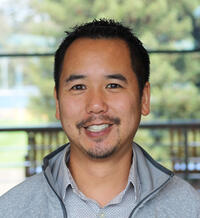
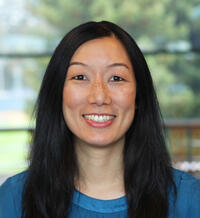
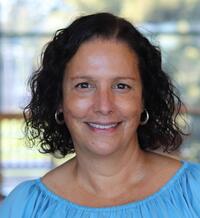
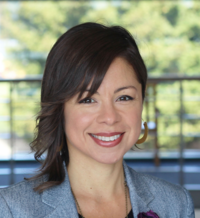
UHS Mental Health Counselors who specialize in working with Asian American & Pacific Islander Students
|
Name |
Bio/Interests |
|
Denise Goitia, LCSWLicensed Clinical Social Worker |
Denise Goitia joined UHS in 2020 as a Licensed Clinical Social Worker. She was previously working for the University of Massachusetts Amherst at the Center for Counseling and Psychological Health. Denise received her BA in Anthropology from Georgetown University and her MSW from Smith College. She has a background in massage, holistic health, and herbalism. She loves supporting local farms, hiking, cooking, and riding her bike. Clinical Interests: Trauma and resilience (EMDR trained), somatic and spiritual work, internal family systems/integrating parts work, person in community, holistic approaches including mindfulness practices, LGBTQIA+ support, anti-racism, and cultural humility, international students including undocumented and refugee/asylees, couples and families, graduate students, transfer students, non-traditional aged students, feminist theory, and identity development. Additional Languages: Spanish |
|
Tiffany Hsiang Lin, LCSWLicensed Clinical Social Worker |
Tiffany Hsiang Lin first joined UC Berkeley as a student, receiving her BA in Ethnic Studies and Sociology. She then went on to earn her master's degrees in Social Work at Columbia University and Social Science at the University of Chicago. Tiffany returned to UC Berkeley in 2015 as the first dedicated Confidential Advocate at the PATH to Care Center and later joined Counseling and Psychological Services in 2019. Currently, Tiffany serves as the designated counselor for the CAPS satellite office at the School of Social Welfare. She's also part of the UHS Transgender Care Team. In her spare time, Tiffany enjoys knitting, cooking, jigsaw puzzles, and video/board games. Clinical interests: trauma (EMDR trained), sexual/intimate partner violence, LGBTQ care, vicarious trauma and burnout, identity development, family systems, social justice, and multicultural/intersectional counseling. |
|
Jeff Lee, LCSWLicensed Clinical Social Worker |
Jeff Lee (he/him) grew up in the Bay Area and is a 5th-generation Asian American. He comes from a background in community mental health and NPOs, with previous experiences working with emancipated foster youth, homeless populations, and the AA & PI community. Clinical interests: anxiety, holistic wellness, adjustments/transition, identity development, and sports psychology. |
|
Karen Lee Tsugawa, LMFTLicensed Marriage and Family Therapist |
Karen Lee Tsugawa, LMFT, joined the CAPS team in 2008. Karen graduated from UCLA with a major in Psychology and a minor in Applied Developmental Psychology and then received her Master of Science in Marriage and Family Therapy from Northwestern University in Chicago. Karen is originally from Hong Kong and grew up in Southern California. She currently sees individuals and couples for counseling at CAPS and enjoys working with the diverse student population at UC Berkeley. Karen is currently serving a dual role as the CAPS Clinical Coordinator, assisting with day-to-day clinical operations and various projects supporting our clinical programs, and as the CAPS Referral Coordinator, serving as a liaison to therapists and psychiatrists in the community. Clinical interests: Mental health, college adjustment, transitions, relationship issues, family dynamics, multicultural identities, and Asian/Asian American identity development. |
|
Raquel Castellanos Miller, LCSW |
Raquel Castellanos Miller, LCSW, worked at MarinHealth in the IOP program before joining UHS, and before that, she resided in Montana for 27 years. After Raquel received her MSW from the University of Montana in 2015, she worked for 4 years at the Flathead Indian Reservation as a school social worker and in a private practice. Raquel enjoys hiking and outdoor activities and has been focused on her engagement in Tibetan Buddhism for over 20 years. She’s served on the Dharmata Foundation Board of Directors in Richmond, CA, and as the Development Director for Ewam Garden of 1,000 Buddhas in Montana, a project dedicated to the religious and cultural preservation of Tibetan Buddhism. She enjoys attending meditation retreats. Additionally, Raquel founded Women Make Movies Missoula, a feminist film festival, and the Family Law Advice Clinic, a project of Montana Legal Services. She co-founded Working for Equality and Economic Liberation (WEEL), a grassroots organization addressing economic justice for low-income families, and founded the Western Region Welfare Activist Network, a twelve-state coalition of grassroots organizations focused on economic justice for low-income families. Raquel was an adjunct professor at the University of Montana’s School of Social Wor,k where she served as the field supervisor for MSW candidates. Years later, she also taught MSW: Psychopathology and BSW: Interventions with Individuals and Families. Raquel was awarded the YWCA of Missoula Excellence Award for Empowerment of Women (2005) and has co-authored "Working for Equality and Economic Liberation: Advocacy and Education for Welfare Reform” in the Affiliate Journal of Women and Social Work. Clinical interests: Trauma-informed care, mindfulness-based therapies (ACT, DBT, MBSR, CBT), and resilience and strengths focus approach. Raquel trained in a Native American-developed group process for healing generational and historical trauma (Healing Broken Hearts) and in Sensorimotor Psychotherapy. She enjoys group psychotherapy and working with clients of diverse racial and ethnic backgrounds. Additional Languages: Spanish |
|
Kusha Murarka, PsyDLicensed Clinical Psychologist |
Kusha (she/her) is a licensed clinical psychologist who joined the UHS CAPS team in 2017 after working at Roosevelt University in Chicago for 8 years. She received her PsyD at the Illinois School of Professional Psychology in 2007. Kusha loves working with university students using a culturally centered and intersectional social identity lens. She has worked with university students across the US since 2005 and enjoys providing counseling, group therapy, and outreach to students as well as supervision and training to mental health professionals. She is currently the SSWANA wellness counselor, providing support and advocacy for this population on campus. In her free time, she stays active indoors and outdoors with her family through cooking, singing, dancing, hiking, dining al fresco, and running after her two young sons. Clinical interests: Multicultural counseling, inclusion, identity development, family of origin, relationship and interpersonal concerns, SSWANA mental health, immigrant families, low socioeconomic backgrounds, depression, suicide prevention, social anxiety, alcohol abuse, group therapy, wellness, balance, and graduate student life. |
|
Diana Peña, PhDLicensed Psychologist Undocumented Student Program Counselor Centers for Educational Equity and Excellence Counselor |
Diana Peña (she/they) received their PhD as a first-generation college student from the University of Oregon and joined the CAPS team in 2013. Diana coordinates the Undocumented Student Program’s mental health services at UC Berkeley, providing counseling support to undocumented students and consultation with the campus at large. As a queer Chicanx psychologist who applies Liberation Psychology and Social Justice frameworks to practice, their areas of focus include undocumented student resilience, LGBTQ-affirming therapy, spirituality, and somatic/body-centered healing. Diana stands on the shoulders of her Mexican immigrant parents and is committed to decolonizing mental health practices in the service of Black, Indigenous, Undocumented, and POC communities. Clinical interests: Immigrant and undocumented student mental health, QTPOC-affirmative therapy, spirituality, Latinx family health, grief and loss, chronic health conditions, mindfulness-based stress reduction. Additional Languages: Spanish Call (510) 664-7483 to make an appointment with the Undocumented Students Program. |
|
Junichi Shamaoka, PsyD |
Junichi joined the CAPS team in 2019. Before joining UHS, Junichi was a CAPS psychologist at UC Santa Barbara and the University of Michigan. He received his PsyD from Widener University and serves on the board of the Association for College Counseling Center Outreach. Junichi is passionate about Balinese Gamelan music, and he’s a beginner rock climber. He used to volunteer to raise/train service dog puppies! Clinical interests: Social/cultural/personal identity issues of all types (race/ethnicity, LGBTQIA+, immigration/national origin, ability status, etc.), Asian American & Pacific Islander/Desi-American communities, couples and relationship concerns, outreach/prevention/community engagement, grad students, international students, and other marginalized and underserved students. Additional Languages: Japanese |
|
Christine Zhou, PhDLicensed Psychologist |
Shuangmei (Christine) Zhou joined CAPS in the summer of 2012. She received her Ph.D. in Counseling Psychology from the University of Minnesota, completed her internship at UCLA CAPS, and her post-doc at UC Berkeley CAPS. She was a staff psychologist at Michigan State University for three years before returning to Berkeley. Christine is the lead psychologist coordinating the CAPS satellite office at the College of Engineering (CoE). She has been working with CoE since 2012, providing counseling to students and consultations for faculty and staff. Christine also directs the Global Institute for Counseling and Student Mental Health, where CAPS staff collaborate with partners both nationally and internationally. In her role as director, she's been conducting research and providing training and consultation on the latest topics related to college students' mental health. Clinical interests: multicultural counseling, working with underserved/marginalized populations, working with science and engineering students, international students, and AAPI students. Additional Languages: Mandarin Chinese |



A New Environment
For many undergraduates, coming to UC Berkeley can be exciting and also intimidating.
The familiar and perhaps comforting world you came from quickly becomes a distant memory as small classrooms give way to larger lecture halls. Now you might find yourself in the classroom with the professor who wrote the book you are reading. As for the competition, after being at the top of the class in your previous school, you might now think everyone around you is a former valedictorian.
Making the academic transition to UC Berkeley can be a challenge. The competition, pace, and intensity may be different than what you have experienced before. Even the most confident students realize that taking advantage of academic support services can make a world of difference. There are many academic resources and services that can help you strengthen your study strategy, test-taking, and time-management skills.
As for graduate students, juggling life responsibilities with graduate school is stressful and overwhelming. You are in a marathon that requires mental, emotional, and physical fortitude to get through the many hurdles. When faced with writing and project deadlines, procrastination and worries about whether you have chosen the right field can surface and create disturbances in your life.
For AA & PIs, pursuing a degree whether it's a bachelor's, master's or Ph.D. is often not only for yourself but for your extended family as well. The pressure to succeed becomes more than a personal goal for various reasons.
Majors and Careers
Some AA & PI students might feel pressure to be in a major that will lead to a financially lucrative career. The driving forces include wanting to help out the family after graduation and/or wanting to fulfill the family's hopes and dreams. This pressure can be extremely stressful when students find themselves in majors they are not suited for--in interest or ability.
Academic Support
- Academic Adjustments Due to Illnesses - In some instances, students become ill and must appeal to their College for adjustments to their schedule. The Colleges might require medical documentation to support their case. This website provides information on the medical verification process at University Health Services.
- Campus Resources for Graduate Students - The Graduate Division Office provides information and resources on academic support services such as dissertation or grant writing and academic publishing; academic advising; mentoring; professional development workshops; teaching and resources for graduate student instructors.
- Career Center - Once you have an idea of what careers to pursue, Career Center can help you with resume writing, searching for jobs, and applying to graduate schools.
-
Career Counseling Library - The UHS Career Library offers resources that can help you: 1) Assess your interests, personality, values, and skills, 2) Choose a major, 3) Explore career options, 4) Research graduate and professional schools.
-
Mental Health Services at UHS provides career counseling on issues such as family pressures and how they impact career choice and selection of major. Counselors can help you explore your interests, skills, and abilities and can provide guidance and information via career assessments and resources.
- Student Learning Center is the primary academic support service at Berkeley. Their goal is to provide students with study skills, strategies, and a support system to make the academic transition to Berkeley seamless and successful. In addition to offering tutoring, adjunct courses, and study groups to support your classes, they offer several workshops and classes.
- Transfer Student Center
- Student Parent Center
- Re-entry Student Program
About
Asian American & Pacific Islanders (AA & PI) come to UC Berkeley with a multitude of shared as well as unique experiences.
Your strengths and struggles may be profoundly influenced by factors such as your generation, the language(s) spoken at home, your parents' level of formal education, your socioeconomic status, the environment in which you were raised, and your individuality.
It is not possible or appropriate to make sweeping generalizations about all AA & PI students; each person combines cultural background, personality, and experiences in unique and complex ways. While both AA & PI and Western cultures are valuable and have their strengths, potential conflicts may arise when these two life perspectives intersect.
Dealing with stress is common for all students. As an AA & PI student, you may have additional cultural stressors that impact your emotional and psychological health and well-being.Symptoms of Depression
- Feelings of helplessness/hopelessness/sadness
- Inability to focus or concentrate
- Loss of interest in daily activities
- Abrupt changes in appetite/weight
- Sleep disturbances
- Unexplained aches or pains
- Loss of energy
- Thoughts of suicide
Symptoms of Anxiety
- Feelings of dread or fear
- Inability to focus or concentrate
- Restlessness
- Irritability
- Pounding heart
- Shortness of breath
- Sweating
- Nausea/vomiting
- Frequent urination/diarrhea
- Trembling/shaking
- Hot/cold flashes
Common Stressors for AA & PI students
Pressure to Excel - We hear from many AA & PI students who feel pressure to pursue a major that will lead to a financially lucrative career. The driving forces include wanting to help out the family after graduation and/or wanting to fulfill the family's hopes and dreams. This pressure can be extremely stressful when students find themselves in majors they are not suited for, either in interest or ability.
Serving as the Family Representative - A majority of our AA & PI students come from families where English is a second language. Family obligations might include helping with activities such as translating for your non-English-speaking parents and other family members at doctor's appointments, caring for younger siblings, and handling official school business for yourself or your siblings. AA & PI students with these types of family pressures may feel pulled between attending to family needs and studying for classes.
Perfectionism - Berkeley students are known for being driven to achieve. Indeed, it was this motivation that helped you earn a spot at this top-notch university. Once enrolled at UC Berkeley, the reality of no longer being in the top 5% of the class can be very difficult.
First-Generation College Students - Being the first in the family to attend college is a significant accomplishment and a challenge. Family members, while very proud, may not necessarily understand the pressures of college life at Cal. This can leave you navigating uncharted territories with minimal guidance from your family members.
Cultural and Intergenerational Conflicts - Whether you are a 5th-generation or 1st-generation AA & PI, you might feel caught between two worlds – the Eastern and Western cultures. The expectations of mainstream society may differ in dramatic or subtle ways from the expectations of your family and culture. For example, the Eastern orientation emphasizes the needs of the family, while the Western orientation focuses on the individual's needs.
Communication Styles - Respect and deference to authority are values shared by many AA & PI communities. The questioning of elders and the voicing of contrary opinions are generally discouraged. For some AA & PI students, this has meant having less experience with formulating and championing a point of view, which is highly valued in the Western academic arena.
Ethnic Identity Issues - One of the tasks of young adulthood is to determine personal values and life goals; in other words, this is the time you are beginning the process of defining who you are. This could be the first time you are exploring what it means to be an AA & PI and how this might impact how you view and interact with the world.
Model Minority Label - For some students, Cal can be an isolating and perhaps even hostile environment. Racial and cultural stereotypes, as well as other biases, can create tension among student groups. How common is it to hear complaints of AA & PI students "ruining the curve," And how are you impacted when you are not ruining the curve (i.e., you are not doing as well as the stereotypes would suggest)?
Biracial Relationships - Being involved in a biracial relationship can create stress and tension if key family members, such as parents, don't approve. This kind of strain can contribute to individuals attempting to hide the relationship, relationships faltering under the strain, or, in a worst-case scenario, students being financially and emotionally "disowned" by the family.
Finances - Many students need to work while attending school. The time spent at a job or jobs often affects a student's study time, limits leadership skill-building through extracurricular activities, and presents a barrier to establishing a social support network at Cal.
Post-traumatic Stress Disorder - AA & PIs have experienced trauma before and following their immigration to the United States.
Barriers to Getting Help
Even though there has been an increase in the use of mental health services at UHS, and AA & PIs make up 35% of the student population at UC Berkeley, AA & PIs underutilize counseling services as compared to Caucasian students. Some of the reasons why fewer AA & PIs seek out counseling could include:
- Cultural stigma is associated with mental health and seeking help.
- Belief that you can do this on your own or can "will" yourself to get better.
- Fear of letting your family down and/or not wanting to worry them with your problems.
- Shame and embarrassment about not doing well, and a desire to keep this "secret" to yourself.
- Concerns that getting help with a problem is a sign of weakness.
- Not feeling like you can afford the time to take care of yourself.
- Fears around confidentiality.
- Not knowing the process for seeking professional help and how to pay for it.
Getting Help
Take the first step—it may be hard, but it will be worth it. Here are some things you can do for yourself:
- Try not to isolate yourself, but instead talk to a close friend, family, faculty, or staff member.
- Many APIs experience depression and anxiety through physical symptoms. Talk to your physician if you are experiencing any of the following symptoms.
- Physical Symptoms of Depression: Sleep disturbances, changes in appetite, decreased energy, headaches, and digestive problems.
- Physical Symptoms of Anxiety: Pounding heart, shortness of breath, nausea/vomiting, frequent urination/diarrhea, trembling/shaking, sweating, hot/cold flashes.
- In some cases, sharing personal and sensitive issues with someone you know can be difficult. You might feel more comfortable talking to a trained professional who has worked with people who are dealing with depression and/or anxiety. At Counseling and Psychological Services, the staff is diverse and located not only at the Tang Center but also throughout campus at various satellite offices, including the Chavez Student Center, the Disabled Students' Program, the School of Law, International House, and Evans Hall. Things you can expect in counseling:
- Confidentiality and a space for support
- Guidance to appropriate resources
- Thoughts of suicide are signs that the depression is severe. Remember, there are supports on campus, such as Counseling and Psychological Services. Call us at (510) 642-9494 or visit us on the 3rd floor of Tang Center. For emergencies at night or on weekends, students can call After Hours Assistance at 1-855-817-5667 or 1-877-211-3686 for referral information.
- In cases of emergency when you need immediate attention, call 911 or go to your nearest Emergency Room.
- Additional Resources: National Suicide Prevention Lifeline
- 1-800-273-8255 (TALK)
- 1-800-784-2433 (SUICIDE)
Would you like to learn more about the activities and events that are happening in our AA & PI communities? Do you have an interest in participating in or joining campus organizations? Would you like to build connections with fellow AA & PI students? Here are some resources you may want to check out.
Asian Pacific American Student Development
Asian American Student Development (APASD) office aims to serve the changing needs of AA & PI students on the UC Berkeley campus. The APASD office provides and supports programs that enhance students' educational experiences and celebrate AA & PI individual and collective experiences. Programs include internships, leadership opportunities, and community service projects. In addition, activities such as an annual AA & PI issues conference and cultural shows are opportunities for students to build connections with one another and across campus communities.
To learn more about APASD, please contact the APASD office at 249 Cesar E. Chavez Student Center. APASD student interns will be able to provide you with information about APASD as well as AA & PI events on campus.
Student Organizations at UC Berkeley
Getting involved in student organizations is a valuable part of your education. Not only will you make friends, but you can also get involved in activities that will spark your passions and develop your skills as a leader and organizer. There are over 900 registered student groups on campus, ranging from culture, religion, and politics to public service, academics, and careers. For more information, visit the LEAD Center website.
Academic Services
Academic and Student Support Services
- Career Center
- Career Counseling Library
- Disabled Students’ Program
- Student Learning Center
- Transfer, Re-entry, and Student Parent Center
Schools and Colleges
Health and Wellness
- UHS Mental Health Services provides brief counseling to students with personal, academic, and career concerns. Professional counselors can meet with students to discuss concerns such as adjusting to school, choosing a career or major, dealing with family or relationship issues, and coping with personal crises.
- UHS Health Promotion coordinates a wide range of educational and outreach activities to promote the health and well-being of UC Berkeley students, including academic health courses, individual appointments, workshops, volunteer and internship opportunities, and consultation and training.
- UHS Social Services provides confidential services and counseling to help students manage problems that can arise from illness, including financial, academic, legal, and family concerns. In addition, Social Services specializes in helping students with the following:
- Pregnancy resources and referrals
- Alcohol and drug problems related to one’s own or a family member’s use
- Sexual assault or rape
- Relationship or other violence
- Support for health concerns, new diagnoses, or ongoing conditions.
For Parents of UC Berkeley students
Student Activities and Leadership Development
- Asian Pacific American Student Development (APASD) provides programs and support activities that further the educational goals of AA & PI students and enhance their opportunities for academic success.
- Center for Student Leadership provides students with resources and support as they develop their leadership skills through their involvement in student organizations and public service.
