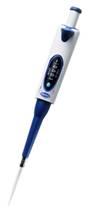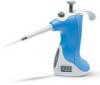


Ergonomic Pipettes
Ergonomic pipettes differ from traditional manual pipettes in that the design offers a way to reduce the force required to perform the pipetting task.
For example,
- a lightweight pipette makes it easier to hold;
- a finger hook lets you rest your hand and use a lighter grip;
- a magnetic latch holds the plunger down reducing the need to exert continued thumb pressure;
- a multi-channel reduces repetition and
- an electronic pipette eliminates most of the pipetting forces altogether.
In addition to these features, there are new designs that drastically reduce dispensing and ejection tip forces.
There are a variety of ergonomic pipettes available. Sales representatives for the different manufacturers can provide samples for you to try. This can help you decide if an ergonomic pipette is applicable to your needs. Contact your Principal Investigator to find out what your laboratory’s policy is for purchasing and using different pipettes. Keep in mind that purchasing a different pipette will usually require purchasing different tips.
Ergonomic Pipettes
| Ergonomic Solution | Features | Procurement |
|
|
Pipet Lite reduces ejection forces by 70% |
BearBuy (SciQuest) Login to Blu Click “Finance” Tab |
|
|
Lightweight electronic pipette. |
BearBuy (SciQuest) Login to Blu Click “Finance” Tab |
|
|
Separate tip ejection (2-button operation) |
BearBuy (SciQuest) Login to Blu Click “Finance” Tab |
|
|
Biohit mLINE is lightweight and has a short length Plunger depression and tip ejection forces are low |
BearBuy (SciQuest) Login to Blu Click “Finance” Tab |
|
|
The unique design of Vistalab Ovation relaxes the shoulder and upper arm and minimizes forearm and wrist rotations |
BearBuy (SciQuest) Login to Blu Click “Finance” Tab |